The Real Cost of a Perfect Father’s Day Surprise (It Isn't Money)
Let’s talk about something tricky—the mental math that happens every year leading up to Father’s Day. You open Google, type in “Father’s Day ideas,” and the first thing you see is an overwhelming flood of dollars signs. Your brain instantly shifts into a spreadsheet: Budget A (under $50), Budget B ($100-$200), Budget C (The "Wow" Factor).
If you are staring at this article right Grandfather now, running on fumes from a week of work and trying to remember if Dad prefers steak or brisket, chances are you feel the pressure. You’re not just buying him a gift; you're performing an act of emotional accounting. And the question— “How much should a perfect Father’s Day surprise cost?”—feels less like a search query and more like a high-stakes exam.
If I could give you one definitive dollar amount, I would lie to you. Because the answer isn't in the price tag; it’s in the thought process. The true measure of a perfect gift is how well it makes him feel seen—like you actually pay attention when he talks about his favorite hobby or the embarrassing story from college.
We need to redefine what "cost" means this year. Let's look at five angles for gift-giving that prove value always beats volume, and effort always beats expense.
Shifting the Focus: From Price Tag to Personal Resonance
Before we get into ideas, let’s address the anxiety head-on. The mistake most people make—and it causes terrible guilt afterward—is buying something generic because it looks expensive. Learn more Think of a gift like this: an expensive watch that sits in a drawer vs. a hand-curated box of his favorite snacks from three different states you know he loves. Which one has more staying power?

The principle is simple: A thoughtful gesture always increases the perceived value, no matter how small the actual cost. The goal isn't to shock him with luxury; it’s to whisper, "I listen to you."
When Time Is Your Most Valuable Currency (Experience Gifts)
For the busy planner—which is all of us—the best gifts often require zero retail shopping. These are experiences that show you prioritized togetherness over acquisition. They signal: “I wanted to spend quality time with you.”
If a lavish weekend trip feels too complicated, think about micro-experiences. You can curate an entire afternoon without spending a fortune on anything but your attention.
- The Ultimate Day Out: Instead of booking one big dinner reservation, plan a circuit: start at the local brewery (the first stop), move to a used bookstore for browsing (the second stop), and end with picnic supplies from a gourmet grocery store near the park (the third stop). The gift isn't the beer or the book; it’s the seamless itinerary.
- The Skill Swap: Does he love grilling? Gift him an "Iron Chef" afternoon where you both tackle a complex meal together, treating it like a fun competition. Did he used to paint? Buy a beginner set of paints and spend two hours painting something silly with him. The shared activity is the payoff.
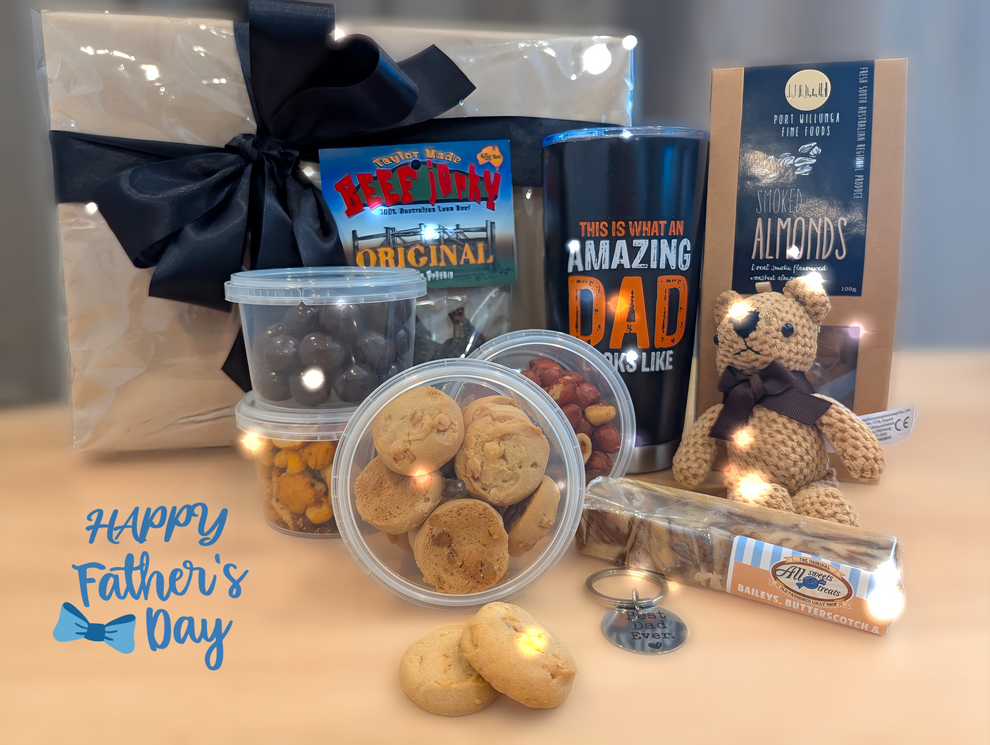
Curating the Hyper-Specific Comfort (The Elevated Hamper)
When in doubt, go for the curated comfort basket—the sophisticated hamper. This concept solves the "I don't know what to buy" dilemma because it allows you to gather highly personal items that feel luxurious but are individually inexpensive. It’s the perfect low-effort, high-impact solution.
The key here is hyper-specificity. Do not buy a generic "coffee lover's hamper." Instead:
- Buy beans from the local roaster he always praises.
- Find a specific brand of artisanal jam that pairs with his breakfast toast.
- Include a high-quality, funny pair of socks related to his job or hobby (e.g., airplane socks for the pilot).
- Throw in a handwritten note detailing why you chose each item ("I remembered you mentioning this brand last month...").
This method tricks the brain into thinking it’s an expensive haul when, in reality, it’s just clever sourcing and maximum emotional return on investment (EROI).
Triggering Memories: Gifts That Whisper "I Remember"
If your father is sentimental or enjoys reminiscing, this category is gold. These gifts cost time and narrative effort, not necessarily money. They are the ultimate proof of dedication because they require you to do the emotional labor.
Consider a Memory Jar (a jar filled with 12 handwritten notes detailing favorite memories from the last year). Or, if you’re tech-savvy, compile a short video montage set to "your song"—a compilation of old photos, funny videos from family trips, and text snippets that tell a story.
Honestly, one friend once tried to buy his dad an expensive gadget he wouldn't use. He ended up spending three hours gathering letters, ticket stubs, and silly notes from the whole family instead. The resulting "Memory Box" was exponentially more cherished than any piece of technology could ever be. The gift that requires narrative effort always wins.
When You Do Want to Spend Big (The Investment Gift)
Sometimes, you truly want to spend a larger sum—a weekend trip, new tech, etc. If this is the case, here’s how to elevate it beyond just buying an item: frame the purchase as an upgrade to his life or hobby, not merely a transaction.
If you buy him a soundbar for his home theater, don't just hand it over. Present it with a curated "Movie Night Kit"—popcorn gourmet seasonings, comfortable throw blankets (that smell like your favorite laundry detergent), and printed tickets to a movie premiere at home. You’ve turned an expensive object into a complete event.
The Ongoing Conversation About Care
Ultimately, the perfect Father's Day surprise isn't a thing you buy; it's an observation that you make about him. It’s noticing that his favorite tea brand is sold out and proactively buying two boxes anyway. It's remembering he mentioned needing new work shoes three months ago and setting aside the money for them.
As the poet Mary Oliver wisely noted, "The clearest way into the truth is through wonder." Your gift-giving should aim to inspire a moment of shared wonder—a chuckle over an inside joke, or a quiet reflection on how much he means to you. That emotional resonance? It’s priceless, and it costs nothing but your genuine attention.
So, take a breath. Stop thinking about the budget spreadsheet. Start thinking about the moments. Because that is where all the magic truly lives.